Loading page…
Dental crowns & bridges in Queens Village, NY.
A crown restores a cracked, heavily filled, or root-canal-treated tooth to full strength and natural appearance. A bridge uses crowned teeth on either side of a gap to permanently replace what's missing. We match shape and shade so closely that most people can't pick out the restored tooth.
- All-ceramic, metal-free options
- Precise digital shade matching
- Comfortable preparation and temporaries
- Protects teeth after root canals and fractures
5.0 · 772+ reviews
A crown or bridge may be right if you have
- A cracked or broken tooth
- A tooth with a very large or failing filling
- A back tooth that has had a root canal
- A worn or badly discolored tooth
- One or more missing teeth next to healthy ones
What to expect at your visit
- 1
Planning
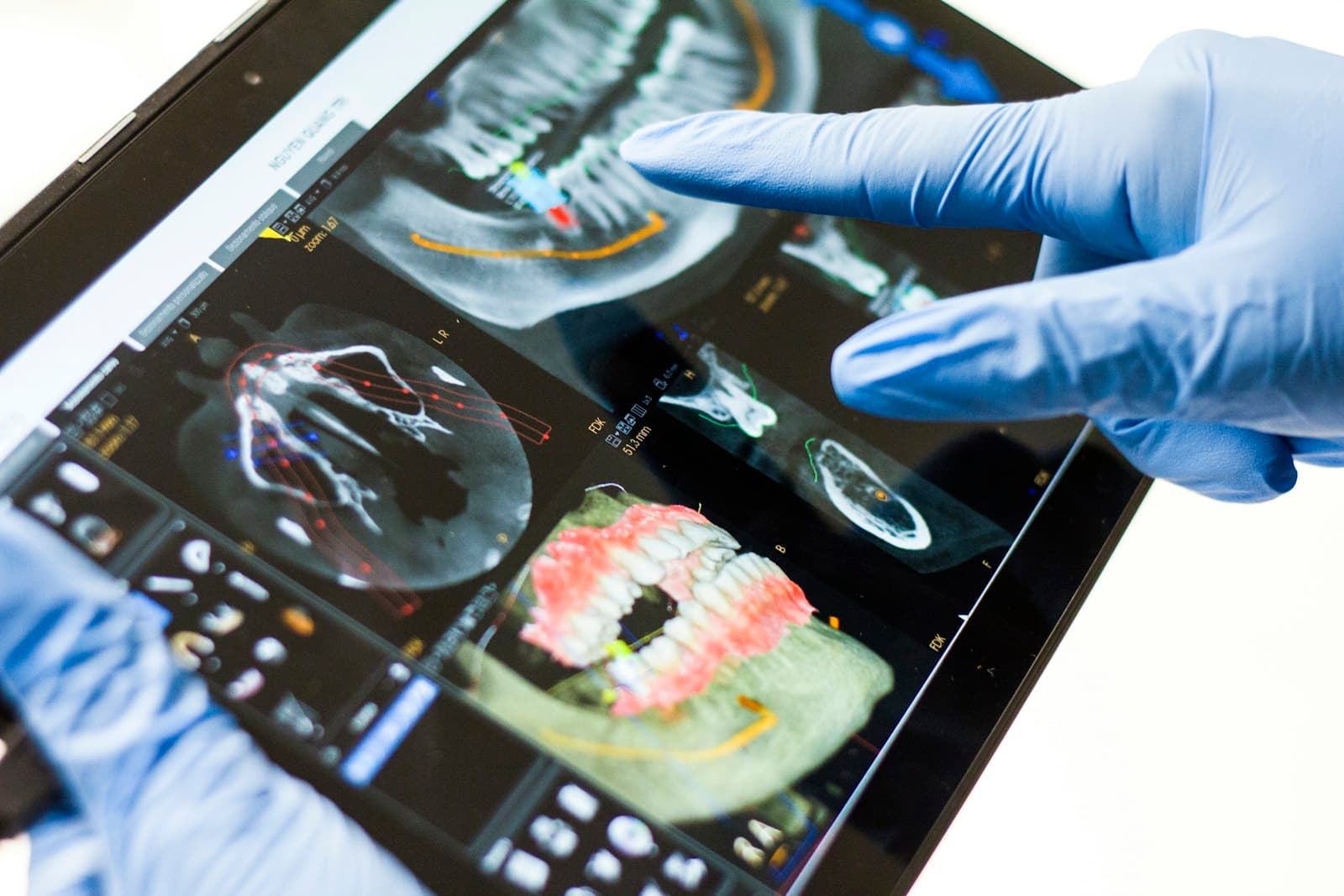
We examine the tooth, take X-rays and talk through crown, bridge or implant options so you can choose with the full picture.
- 2
Preparation
The tooth is numbed and shaped, a precise scan or impression is taken, and your shade is matched.
- 3
Temporary
You leave with a comfortable temporary crown or bridge while your permanent one is custom made by the lab.
- 4
Final fit
At the second visit the permanent restoration is checked for fit, bite and color, then bonded in place.
When a crown is the right repair
A crown covers the whole visible part of a tooth, holding it together and protecting it from further cracking. It is the standard way to restore a tooth that has lost too much structure for a filling, and to protect back teeth after root canal treatment.
Modern all-ceramic crowns are metal-free and translucent like natural enamel, so a crowned front tooth looks like a tooth, not a restoration.
Bridges for missing teeth
A bridge replaces one or more missing teeth by anchoring a false tooth to crowns on the teeth either side of the gap. It is fixed in place, so it doesn't come out like a denture, and it stops neighboring teeth drifting into the space.
Where the teeth next to a gap are healthy and unrestored, a dental implant is often the more conservative option. We'll explain the trade-offs honestly.
Queens Village Dental Care is at 214-81 Jamaica Ave, Queens Village, NY 11428, and welcomes patients from Queens Village, Bellerose, Hollis, Cambria Heights, Floral Park, Jamaica and across Queens. Hours and directions
Crowns & Bridges: common questions
How long does a crown take?
Typically two visits: one to prepare the tooth and place a temporary, and a second to bond your custom crown once it returns from the lab.
How long do crowns last?
10–15 years is typical, and many last far longer with good hygiene and routine checkups.
Crown or filling: how do you decide?
When more than half the tooth is filling or a crack is present, a filling can act like a wedge and split the tooth. A crown wraps and holds it together. We'll show you the tooth on camera so the decision makes sense.
Does getting a crown hurt?
The tooth is numbed before it is prepared, so the visit itself is comfortable. Mild gum tenderness for a day or two afterwards is normal.
How do I care for a bridge?
Brush as normal and clean under the false tooth every day with a floss threader or water flosser. Regular checkups let us keep the supporting teeth healthy.
Is a crown covered by insurance?
Most plans cover crowns and bridges as major restorative care when they are needed for tooth health. We check your benefits and give you an estimate first.