Loading page…
Root canal treatment in Queens Village, NY.
A root canal has one job: to get you out of pain and keep your natural tooth. Patients consistently mention our root canal care in their reviews, because with modern anesthetic and technique, the visit feels far more like a long filling than the horror stories suggest.
- Effective, profound numbing for comfort first
- Infection fully removed and sealed
- Most treatments completed in one visit
- Crown placement to protect the tooth long-term
5.0 · 772+ reviews
Signs you may need a root canal
- Throbbing or lingering toothache
- Sensitivity to hot or cold that stays after the drink is gone
- Pain when chewing or tapping on a tooth
- A tooth that has darkened in color
- Swollen or tender gums near one tooth
- A pimple-like bump on the gum (a sign of abscess)
What to expect at your visit
- 1
Diagnosis and X-ray
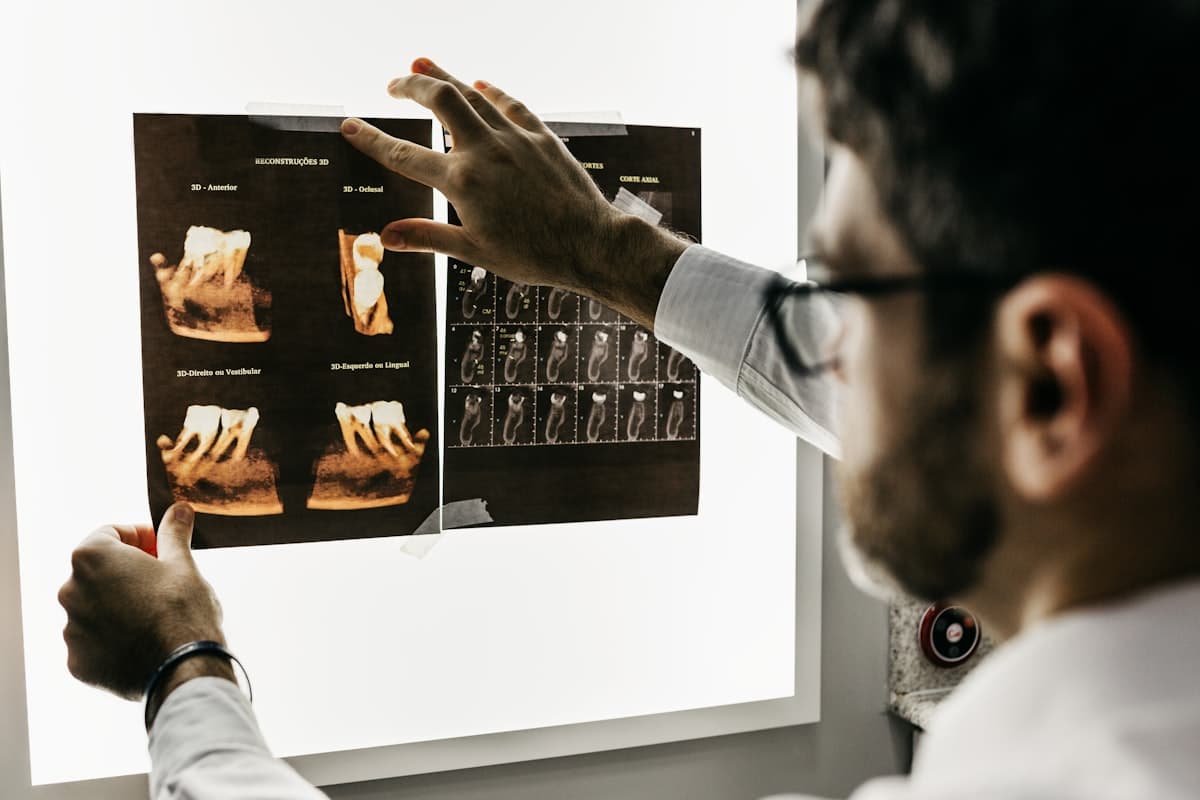
Testing and a digital X-ray confirm whether the nerve is inflamed or infected and whether the tooth can be saved.
- 2
Profound numbing
We make sure the tooth is completely numb before starting. Comfort comes first, and you can pause at any time.
- 3
Cleaning the canals
Through a small opening, the infected pulp is removed and the root canals are cleaned, disinfected and shaped.
- 4
Sealing and protecting
The canals are filled and sealed. Back teeth usually get a crown afterwards so the tooth can handle chewing for years to come.
What a root canal actually is
Inside every tooth is soft tissue called the pulp, which holds the nerve and blood supply. Deep decay, a crack or an injury can let bacteria reach it, and once the pulp is infected it cannot heal by itself.
Root canal treatment removes that infected tissue and seals the tooth from the inside, which stops the pain and lets you keep your natural tooth instead of having it pulled. Keeping the tooth protects your bite and avoids the cost of replacing it with an implant or bridge.
Recovery after a root canal
Most people go back to work or school the same day. The tooth may feel tender for a few days, which over-the-counter pain relievers usually handle. Chew on the other side until the permanent filling or crown is placed.
If a crown is recommended, don't put it off: a root-canal-treated back tooth is more brittle and can crack without one.
Cost and insurance
The cost depends on which tooth is treated, since molars have more canals than front teeth, and whether a crown is needed. Most dental plans cover part of root canal treatment. We confirm your benefits and give you a clear estimate before anything starts.
Queens Village Dental Care is at 214-81 Jamaica Ave, Queens Village, NY 11428, and welcomes patients from Queens Village, Bellerose, Hollis, Cambria Heights, Floral Park, Jamaica and across Queens. Hours and directions
Root Canal Therapy: common questions
Does a root canal hurt?
The procedure itself is done under profound local anesthesia, so most patients feel pressure, not pain. The toothache you came in with is what hurts; the root canal is what makes it stop.
How do I know if I need one?
Lingering sensitivity to heat, throbbing pain, pain when biting, or a bump on the gums are common signs. An exam and X-ray give a definitive answer.
What happens if I wait?
An infected tooth doesn't heal on its own. The infection can spread to the surrounding bone and turn a saveable tooth into an extraction. Earlier is always simpler.
How long does a root canal take?
Most root canals are completed in a single visit of about 60 to 90 minutes. Molars with more canals, or teeth with a severe infection, occasionally need a second visit.
Is it better to just pull the tooth?
Saving your natural tooth is almost always the better long-term choice. An extraction leaves a gap that usually needs an implant or bridge to prevent teeth from shifting.
Can I drive home after a root canal?
Yes. Treatment is done with local anesthetic, so you are fully alert and can drive yourself home.